
Madrid, September XX, 2026. As summer begins to wind down and the coast returns to a more leisurely pace, the province’s interior invites you to discover a different way of experiencing the Costa del Sol. Amid fertile plains, white villages, ancient monuments, and landscapes sculpted by nature, the Guadalhorce Valley and the Antequera region offer a journey where history, heritage, cuisine, and tradition blend with the tranquility of a region that has preserved its identity intact.
Far from the most well-known routes, these two regions offer a chance to delve into the heart of the province of Málaga through landscapes that reflect centuries of history and a close connection to the natural environment. This journey invites you to slow down and discover the cultural and natural riches that shape the province’s interior.
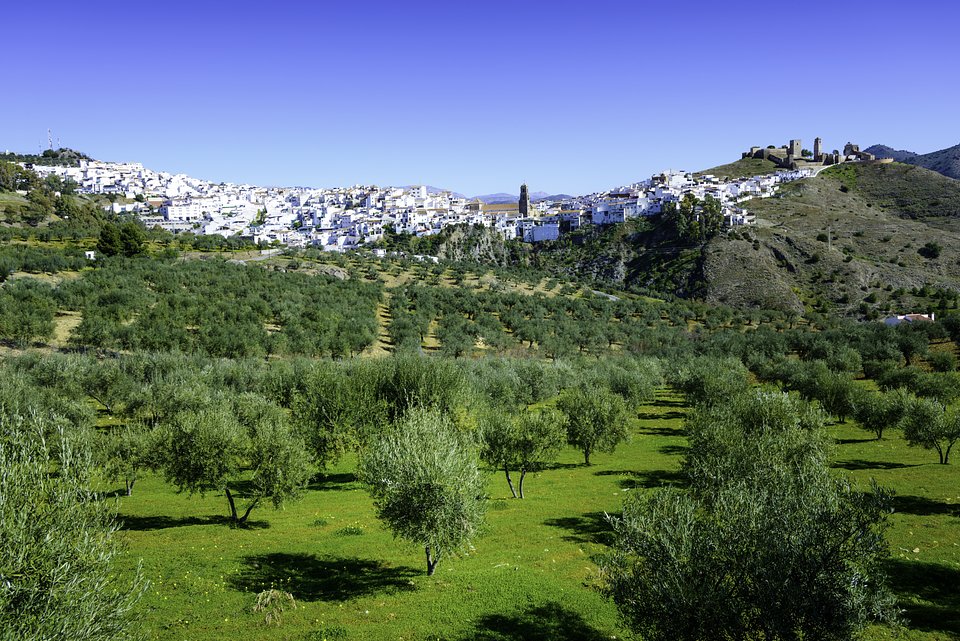
Image: Panoramic view of Álora, one of the municipalities in the Guadalhorce Valley. Credits: Costa del Sol Tourism
The Guadalhorce Valley, the most fertile landscape in the province
Known as the agricultural heartland of the province of Málaga, the Guadalhorce Valley stretches along the course of the river that gives it its name, forming a landscape of citrus and olive groves, and vegetable gardens that have defined the character of the region for generations. Towns such as Álora, Coín, Cártama, Pizarra, and Alhaurín el Grande preserve the essence of inland villages, where quiet squares, traditional architecture, and a close connection to the land are part of everyday life.
Hiking trails, bike routes, visits to local producers, and cuisine based on locally sourced ingredients allow visitors to explore this region at a leisurely pace, at a time of year when the landscape is particularly beautiful and agricultural activity takes center stage once again.
Antequera, where heritage meets nature
Located in the geographic center of Andalusia, Antequera is home to some of southern Europe’s most notable heritage and natural sites. Its historic district, featuring Baroque churches, Renaissance palaces, and an imposing fortress, stands alongside the Antequera Dolmens Site, a UNESCO World Heritage Site considered one of the continent’s most important megalithic complexes.
Just a few kilometers from the city lies El Torcal Natural Park, one of Europe’s most unique karst landscapes. Its spectacular rock formations, sculpted over millions of years by the action of water and wind, offer a one-of-a-kind setting for hiking trails and admiring one of Andalusia’s greatest natural landmarks.
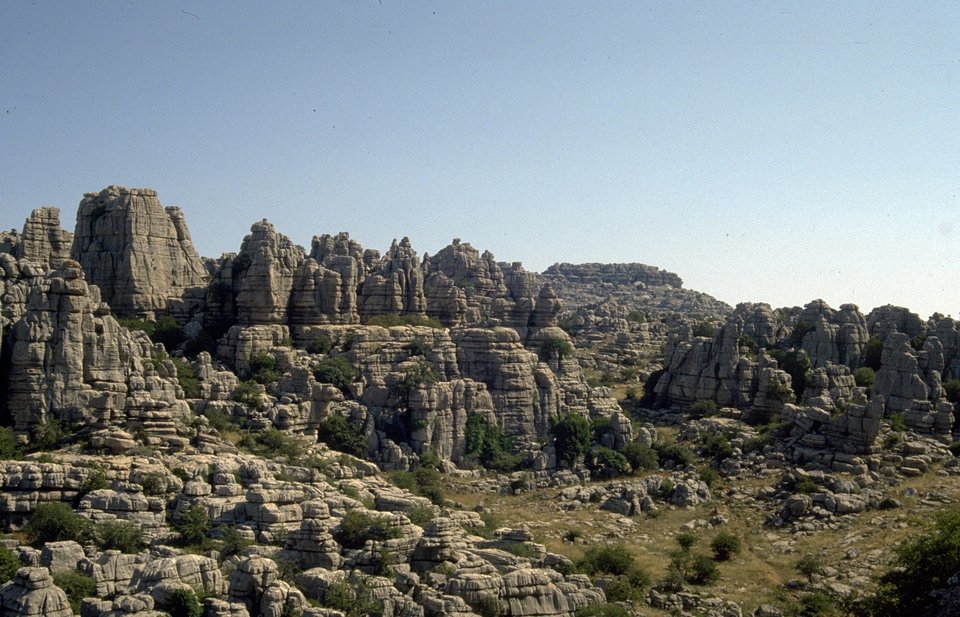
Image: El Torcal de Antequera, one of Europe's most unique karst landscapes. Credits: Turismo Costa del Sol.
An invitation to explore the interior of the province of Málaga
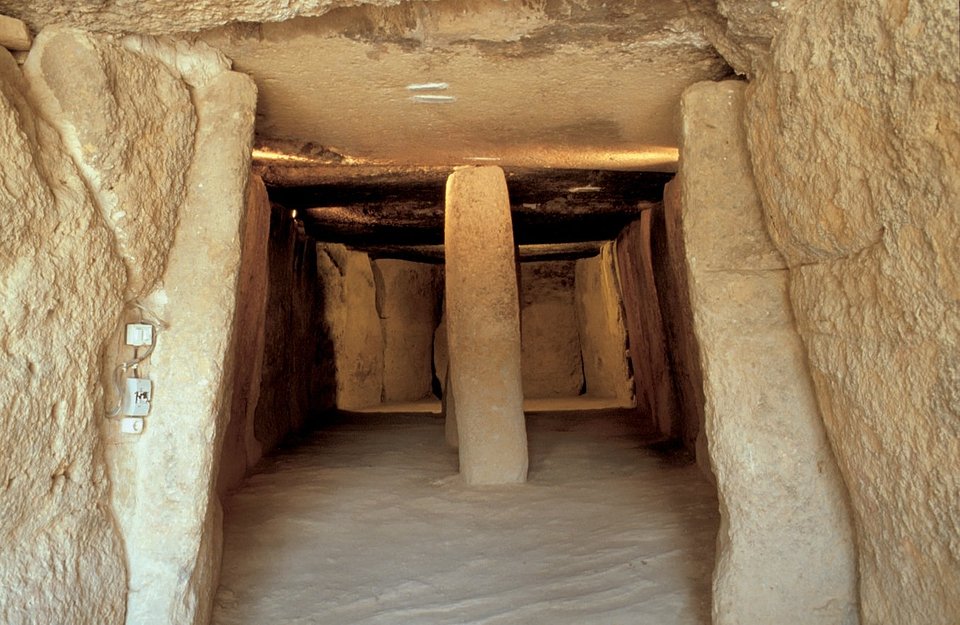
Image: Menga Dolmen, part of the Antequera Dolmens Site, designated a UNESCO World Heritage Site. Credits: Turismo Costa del Sol.
Beyond its landscapes, the interior of the province of Málaga surprises visitors with the richness of its heritage, which ranges from prehistoric monuments, such as the Antequera Dolmens, to a culinary tradition deeply rooted in the region. Extra virgin olive oil, produce from local gardens, artisanal cheeses, traditional cured meats, and local pastries reflect a cuisine based on locally sourced ingredients and recipes passed down from generation to generation.
Thanks to the province’s excellent transportation links, the Guadalhorce Valley and Antequera are easily accessible from anywhere along the Costa del Sol, offering a combination of cultural heritage, nature, and culinary experiences that complements what the coast has to offer.
Far from its best-known beaches, these two regions reveal a serene and authentic side of Málaga, where the landscape, history, and local traditions invite you to discover a different way to explore the Costa del Sol.
Note for the editor:
You can download the high-resolution images from this link.
Press contact:
Hopscotch Spain & Portugal
Adelaida Soler
asoler@hopscotch.one
You can download the high-resolution images from this link.
Press contact:
Hopscotch Spain & Portugal
Adelaida Soler
asoler@hopscotch.one